Consulting Services: what this site covers for a solar decision
This is a guide for anyone holding a home inspection report who is wondering whether solar suits the building it describes. It is written to help that decision get made carefully, before any contract is in view.
We come to solar from the building outward. An inspection walks the roof, the electrical panel, the wiring behind it and the structure that carries them all, and those findings decide far more about a rooftop array than the sunshine does. A roof that cannot carry the load is a roof problem first, whatever the panel map shows. This site does not quote prices, sell installations or take on individual jobs, and nothing on it is an offer of work. What it does is set out the questions an inspector would ask before a proposal is worth reading, and which answers change the outcome. Where a point depends on the state, the utility or the provider, we say so and name the kind of document a reader should check.
The subject falls into three parts. The first is whether a particular home is ready for rooftop solar, which turns on the roof's remaining life, the capacity of the panel and the condition of the wiring far more than on orientation alone. Orientation and shade still matter, but they are usually the easiest part of the question to check from a report and a photograph. The second is what community solar is, and how a shared subscription to an array built elsewhere differs from owning panels on your own roof. The third is the set of questions to put to anyone who asks for a signature, from the paperwork they should be able to show to the contract terms that most often surprise a household later. Each part is treated on its own terms here, so a reader can work through only the one that applies to their home.
Each part is treated as a practical decision for a reader who has to act, not as a case for one outcome. When the honest answer is that a roof needs repair before it can carry panels, that answer comes first, ahead of anything about savings or schedules. Renters and owners of shaded roofs get the same care as owners of a south-facing one, because the community option exists for them. Where a figure, a deadline or a programme rule would be needed to answer a question, this site does not supply one from memory. It points to the state or utility page a reader can check instead, since those pages change faster than a guide can. A reader who finishes a section here should know what to check next, even if the answer is not yet known.
Facts worth keeping beside the report
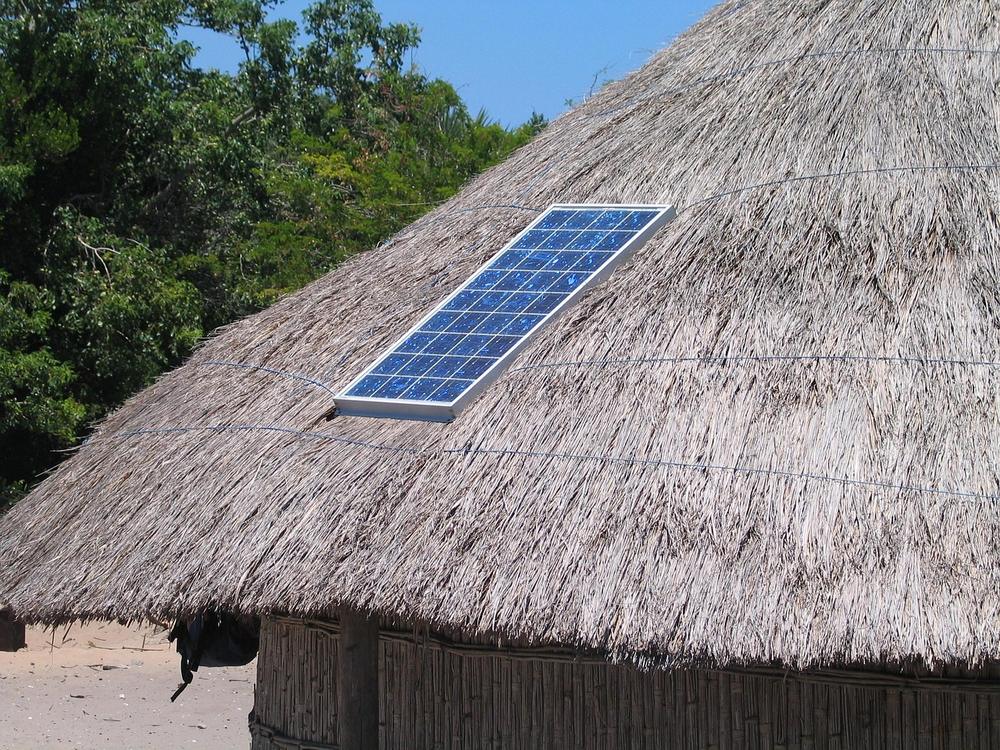
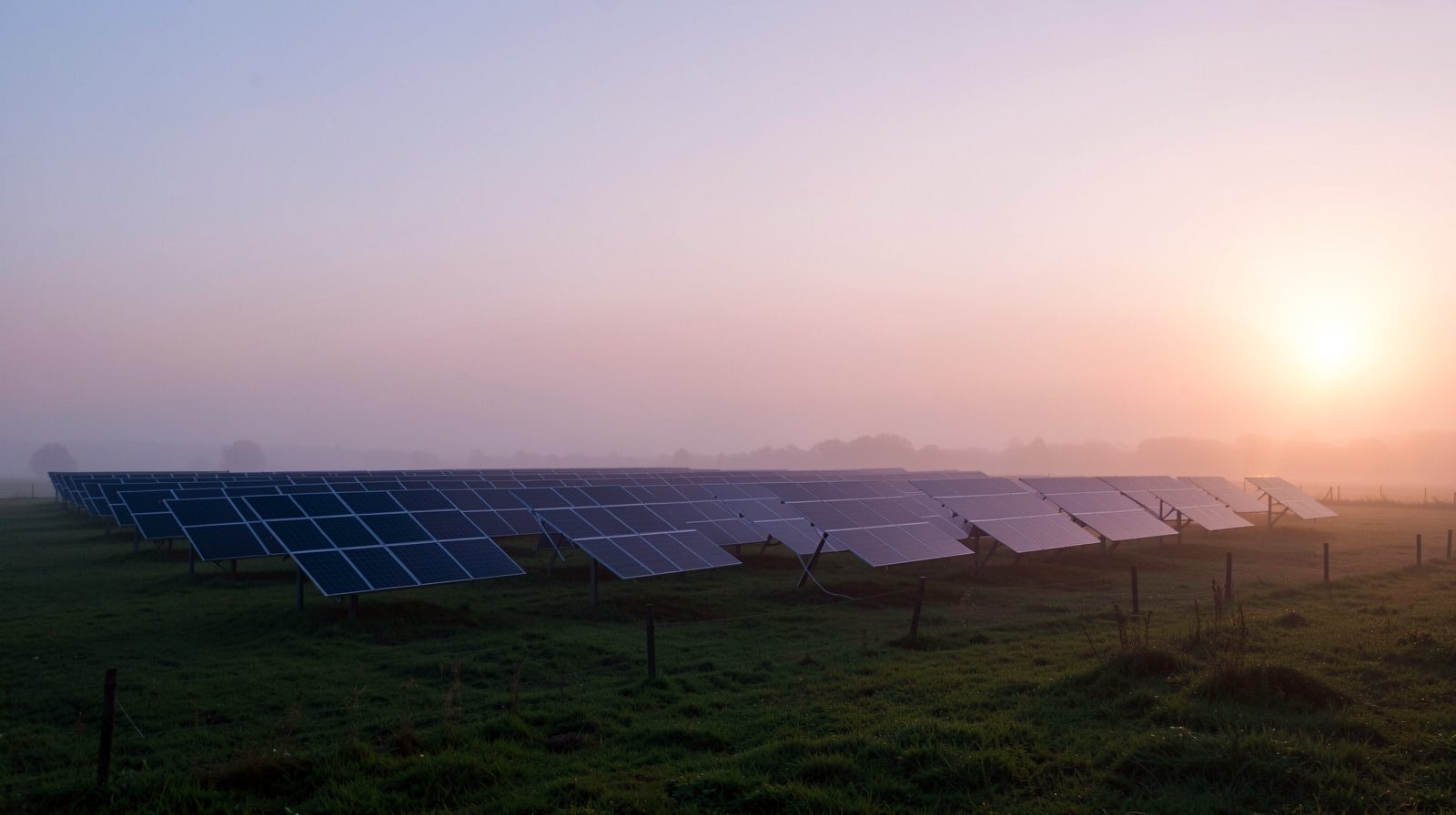
A rooftop system is fixed to the building it covers, so the roof, its remaining life and the wiring that feeds the panel belong in the decision from the first page. A community solar subscription is a share of a larger array built somewhere else, so the decision turns on the subscription terms, the provider behind them and what happens to the subscription if you move. Ask any installer how the array would be taken off and put back for a re-roof, because that work is far easier to plan before the panels go on than after. Keep the report, the proposal and the subscription terms together, so that each later question can be checked against the finding it came from. Terms that look alike on two proposals can behave very differently at the point of sale or during a move, and a reader who has them side by side will notice. Write down the question you could not answer from the documents, because that list is the most useful thing to bring to any installer or subscription provider.
Watching a site get prepared before any panel goes on
The clip below is titled as the site preparation for a commercial array, so its scale is larger than most homes. Site preparation comes before any module is mounted, whatever the size of the project. Seeing that sequence helps a reader understand what a site plan is describing when a proposal mentions preparation. The clip illustrates the order of work, and it is not a guide to any one installer's methods. Where a proposal describes its own preparation steps, check them against the sequence shown here and ask about any step that is missing.
Which page to read next, depending on what the report found
If the report flags the roof, the decision-helper on the resources page sorts the answers into a next step and shows the reasons beneath it. If it flags the panel or the wiring, the engagement process page sets out the order in which those items are normally handled. Both routes start from the same report, so it is worth reading the roof and electrical sections twice before choosing. Anything the report raises that you cannot place belongs on the question page, with the page of the report it concerns. The question page takes the findings as they are written, so quote the sentence rather than summarising it from memory. Reading the sentence as written is usually the fastest way to tell whether it is a finding to act on or one to note.
Send a question about a specific finding through the question page, and quote the sentence from the report that worries you. A question built around one sentence gives a reply something concrete to answer. Include the page number, the room or the component the sentence refers to, and any photograph that shows it. If the report has no photographs, say so, because that changes which questions can be answered from words alone. Keep the original report to hand while you wait, so that a reply can be checked against the page it quotes.