Professional Background: Why We Read the Roof Before Anyone Quotes Panels
We run a home and property inspection practice, and this site is where we set out what that work gives us to say about solar. We do not sell panels or subscriptions. We look at roofs, electrical panels and wiring for a living. We write up what we find so that a buyer, seller or homeowner can read it at the kitchen table. Nothing on these pages is a proposal, and nothing here is a quote for work.
The inspection work behind our view of solar
Most of what we know about solar comes from the same place as our inspection reports: a physical look at the building. A roof has an age, a pitch and a covering that is either sound or is not. The rafters underneath either carry extra weight or they do not. A main panel has a rating and a set of breakers that either leave room for a new circuit or leave none. None of that shows in a sales brochure, and all of it decides whether a solar project makes sense on one particular house.
That is why we start from the building. When a homeowner asks us about solar, we do not begin with the array. We begin with the roof covering and how much life it has left. Then we look at the wiring and the panel, and after that the shade and the direction the roof faces. A proposal written before those questions are answered is a guess. We would rather say so than dress the guess up as a plan.
- 10
- pages on this site, each written to answer one question a reader brings to a solar decision.
- 4
- outside sources linked from across the site, each one a reader can open and check for themselves.
- 0
- certifications, licences, awards or credentials claimed by us on any page of this site.
Counted from this site's own pages and its list of outside sources, and nothing else. None of these figures measures a job, a client or a year of work. Each count can be checked against the pages themselves, so a reader does not need to take our word for it.
Three rules we hold to before we point anyone toward a business
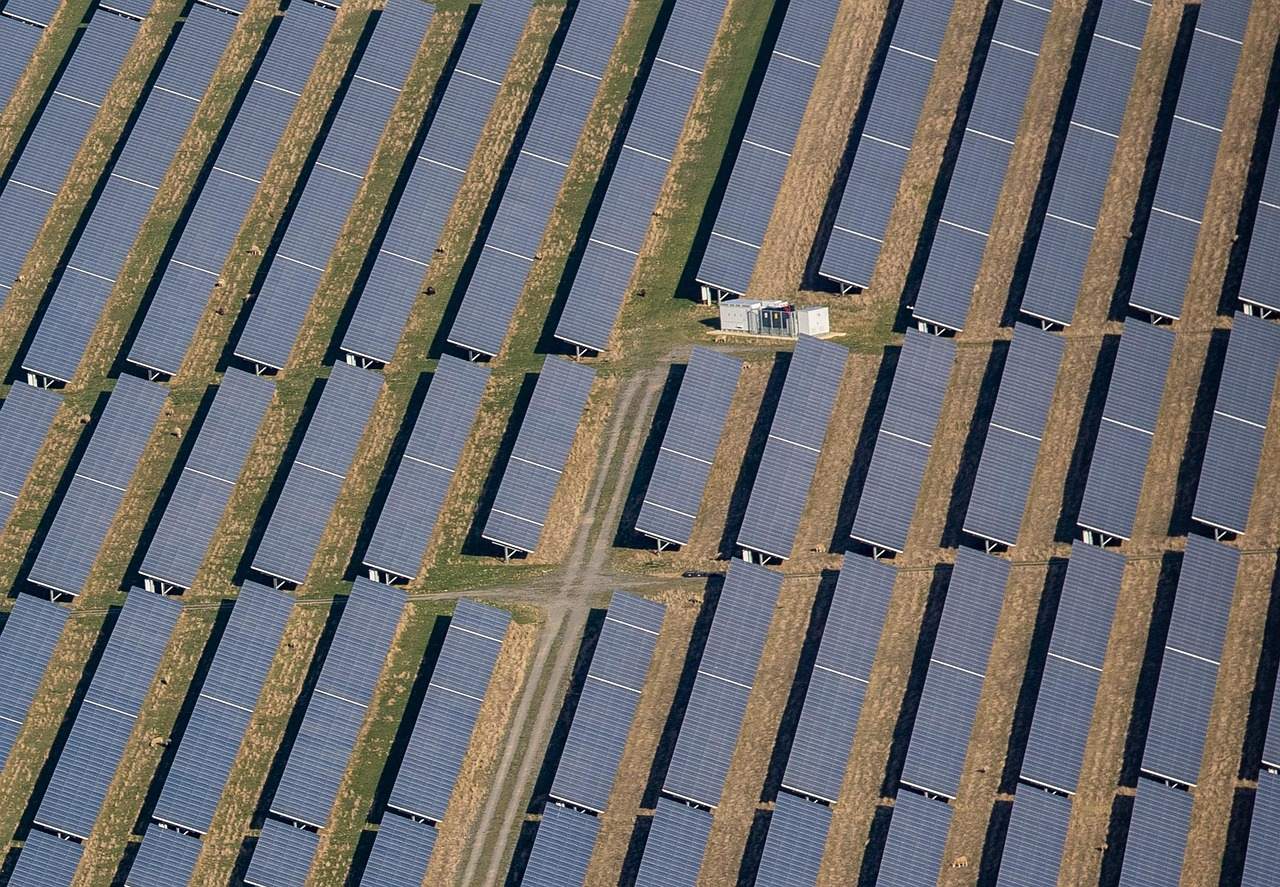
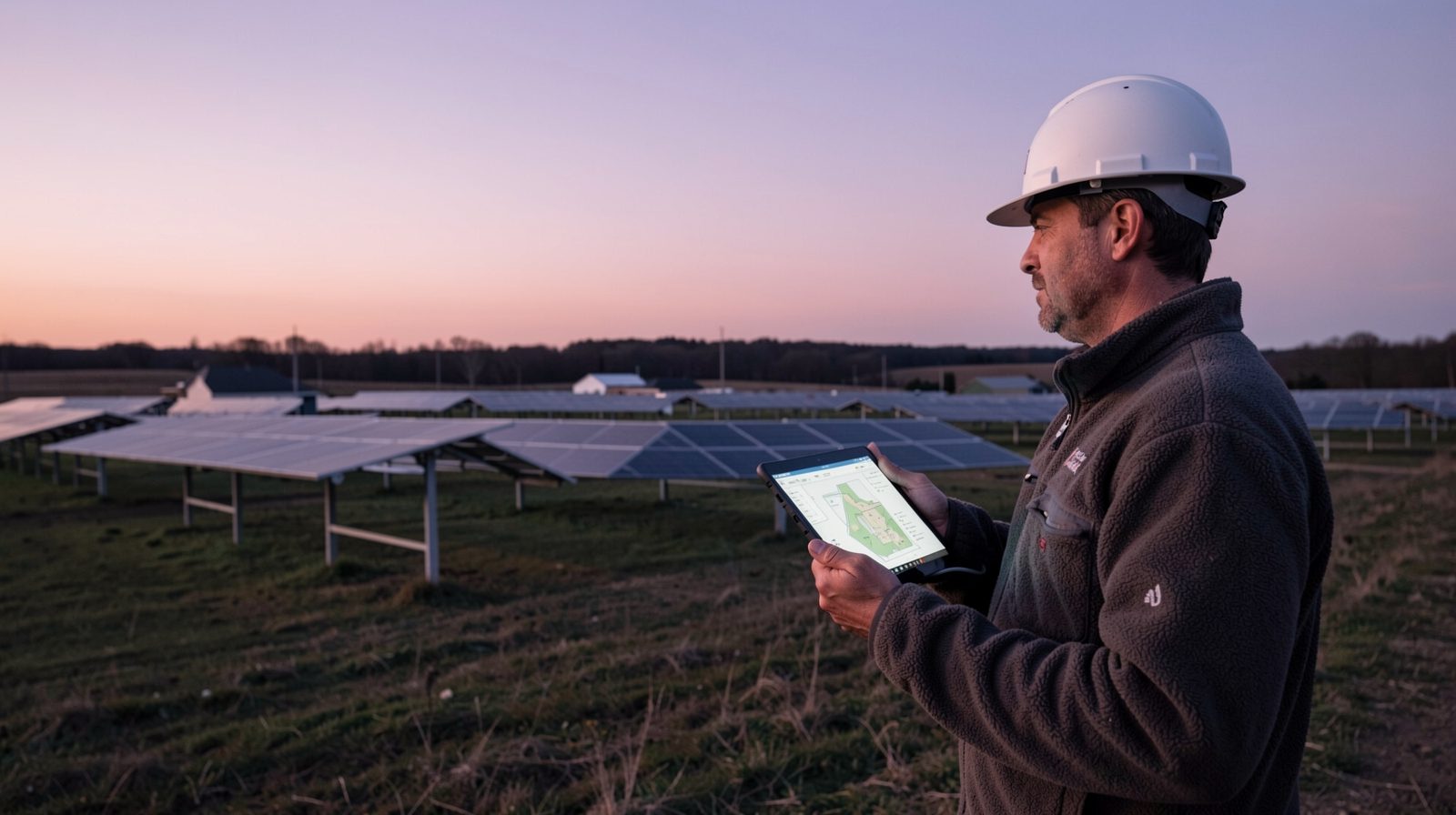
Each rule is written so that breaking it would be visible to a reader. A rule that cannot be checked is not much of a rule, so we have kept these to ones a reader can watch for. The two pictures here are illustrations, not photographs of our own team. Neither one shows a job we have inspected. Read them as pictures of the kind of work the rules are about, not as evidence of our own sites.
First, we want written licence and insurance details before we point a reader toward any business. We ask for them in writing so the answer can be compared with the proposal later. If those details come back slowly or vaguely, the recommendation waits until they arrive. We say plainly that the wait is the reason, so nobody assumes we have simply forgotten. A business that cannot put its cover on paper is not one we would send a reader to on our judgement alone.
Second, we say what we did not look at. A recommendation that covers the panels but not the roof is labelled a partial read, and the label stays on it. Readers often want one clean verdict, but a clean verdict built on a partial look is misleading. Where we saw only part of a system, we write down which part, so the gap is visible on the page. We will not fill a missing item with a general assumption, because an honest gap is more useful to a reader than a confident guess.
Third, we do not change an answer because a reader is in a hurry. Urgency is the most common pressure on a solar decision, and it is often set by a timetable that has nothing to do with the house. If a roof needs repair before it can carry an array, we say so first. We say it even when the repair will delay the sale or push the project into a later season. A recommendation that bends to the calendar has stopped being a recommendation, and a reader can test us on that by comparing our advice from page to page.
A tax credit walk-through to check against your own paperwork
Many solar offers depend on a federal tax credit, and the rules for claiming it are easy to misread. The clip below is titled as a three-way guide to claiming it. We did not make it, and it comes from a third party. Before you rely on any figure it gives, check that figure against the current guidance from the tax authority. Tax rules change from year to year, so the date on the clip matters as much as its content.