Credentials: What to Check Before Anyone Works on a Roof or Meter
This page covers the credentials a reader should look for before letting anyone near a roof, an electrical panel or a utility meter, and how to confirm each one. Solar work touches all three, and each carries a different kind of risk. We claim no certification on this site, and nothing here should be read as a credential we hold. Instead we set out what to ask for, what each document proves and what it leaves open. Every check described below can be done by the reader without special tools.
Why the paperwork matters more than the pitch
A solar contractor can look convincing on the doorstep, with a clean vehicle, a polished proposal and a confident salesperson. That appearance says little about whether the crew has wired a combiner box to code. Licences, insurance and individual certifications are checkable facts, and each one answers a different worry. One asks whether the company may do the work where you live. Another asks whether you are covered if something goes wrong on your property.
The third document asks whether the person on your roof knows what they are doing, and a certificate with a name on it answers that better than a company badge. Checking all three takes little time and is worth doing before anything is signed. Ask for each one in writing and compare the names and dates against the proposal. Where a document is missing or unclear, treat the gap as an answer in itself. Ask again in writing, and wait for the reply before you decide.
Five questions a reader should be able to answer before signing
- Which credential should a solar installer hold?
- Ask about certification from the North American board that tests solar installers, and ask which certification the person who will be on your roof holds. A company badge does not tell you whether the individual who wires the array has passed any test.
- Is a licence the same thing as a certification?
- No. A licence is a permission from a state or local authority to do certain work in your area, and it can be checked with the board that issued it. A certification is a voluntary mark that a named person passed an examination. A reader should look for both where they apply.
- What insurance should the installer show you?
- Ask for a current certificate of liability insurance and, if the company employs crews, a certificate for workers' compensation. Check the policy dates against the start and finish of the work, not against the date on the quote.
- Does a home inspector need a licence?
- It depends on where you live. Some states license home inspectors and set rules for their reports, and some do not. Ask the inspector which rules apply in your state and what their report covers, including what it leaves out.
- Who confirms that the electrical connection is safe to switch on?
- The local permitting office normally inspects the electrical work, and a licensed electrician is normally responsible for the connection. Ask for the permit number and the inspection record, and keep copies with your paperwork.
NABCEP is the board that certifies solar PV installers and related roles across North America, and it is one of the credentials to ask about before you sign. A certification from the board shows that a named person passed its examination, which is different from a company claim. Ask which certification the person on your roof holds, and ask to see it. You can check what the board certifies at NABCEP. Keep a note of the name on the certificate beside the proposal.
Where a credential stops and your own checking starts
A credential is evidence, and evidence has limits. The pictures here are illustrations of solar work, not photographs of any firm's crew or site. A certificate shows that a person passed a test on a given date, not that they are on your job today. A licence shows permission to work in one place, not the quality of the work done there. What a reader can use is the combination, checked against the proposal and the inspection report.
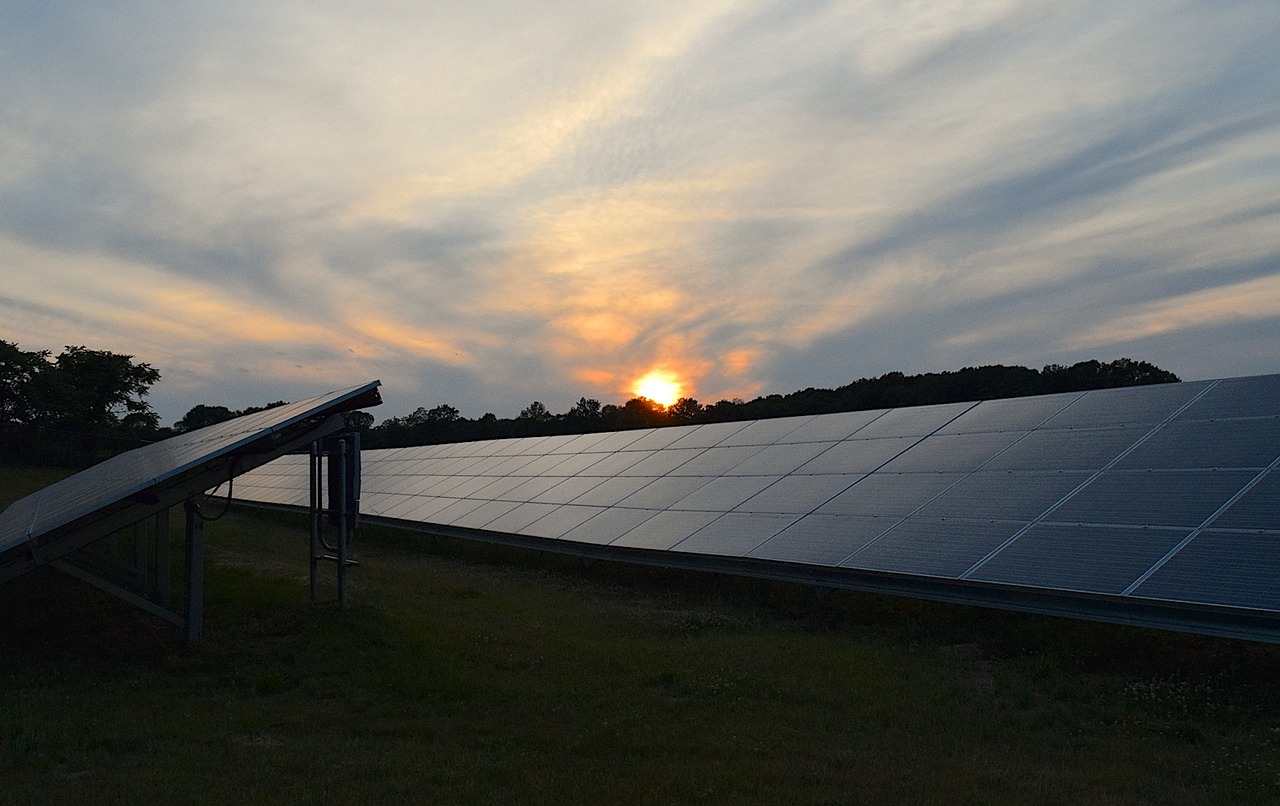

A credential narrows the field and gives you a fixed point to compare the proposal against. An inspector's report describes the roof, the panel and the wiring as they are on the day of the visit, which is evidence a certificate cannot provide. Keep the two together when you compare proposals. If a proposal does not address the findings in the report, ask why before you go further. An answer that skips the findings is worth noting.
The order to check things in before any work starts
Put the checks in the order the work itself happens. Licences come first, because they decide whether the company may start at all. Insurance comes next, because it decides who pays if something fails. The permit and inspection record come last, because they only exist once work is under way. Keep a copy of each document with your inspection report and the proposal.
- Ask for the licence number and the issuing board, then confirm it on that board's own website where one is published.
- Ask for the current certificate of liability insurance and check that its dates cover the whole job.
- Ask which certification the person on the roof holds, and check that the name on it matches the person who arrives.
- Ask for the permit number and the inspection record for the electrical connection, and keep copies.